How to Repair Drywall Cracks Before Pennsylvania’s Harsh Winter Hits
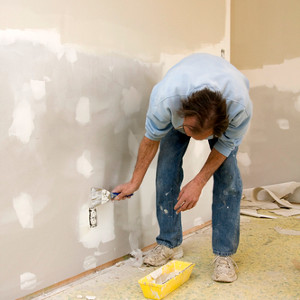
Cold air is coming to Philadelphia, and that makes small drywall cracks grow fast. If you’ve noticed hairlines creeping along ceilings or corners, it’s time to think about professional drywall crack repair before the first deep freeze. A quick visit for wall repair now helps your paint last longer and keeps rooms more comfortable when temperatures dip.
Homes across South Philly, Fishtown, Roxborough, and Manayunk deal with seasonal movement. Older brick and rowhome framing expand and contract as humidity drops and heat kicks on. That motion can reopen old seams and stress new ones. Addressing cracked areas before winter protects your walls and your next paint job.
Why Drywall Cracks Show Up Around Philadelphia Homes
Drywall cracks are common in the Philadelphia region because our houses experience constant temperature swings and settling. In tight rowhomes and prewar buildings, framing can shift slightly with daily heating cycles, which puts pressure on seams and corners.
- Seasonal movement from heat-on and heat-off cycles dries out materials and shrinks joints.
- Normal settling in older rowhomes and twin homes shows up as hairline “map” cracks near doors, windows, and stairwells.
- Previous patching with mismatched compounds or tape can fail when the air turns dry.
- Minor moisture issues from bathrooms or kitchens weaken paper and joint lines over time.
Not every crack means major trouble, but ignoring a growing crack before winter often leads to more visible damage once the cold sets in.
Winter Risks That Turn Small Cracks Into Big Problems
Philadelphia winters bring freeze-thaw cycles that dry the air and cause framing contraction. That movement widens thin lines into zigzag cracks and can cause flaking paint around stress points.
Here is what often happens between December and March:
- Dry air shrinks wood studs and trim, which can pull apart seams at corners and ceiling joints.
- Drafts through exterior walls or near older windows in Northern Liberties or Chestnut Hill can stress drywall on cold days.
- Hidden humidity from steamy showers condenses on cold surfaces, feeding hairline cracks near vents and fan terminations.
- Vibrations from radiators or HVAC kicks can break weak patches and reopen previous repairs.
Left unaddressed, those cracks telegraph through new paint, making fresh color look tired too soon. They also let cold drafts sneak in around the trim. A timely fix stabilizes the surface so new coatings bond and wear evenly.
What a Professional Wall Repair Visit Includes
When you schedule service, a trained team inspects each crack and the surrounding surfaces. They look for patterns that reveal movement, moisture, or tape failure. The goal is to stabilize the area and blend the texture so the patch disappears under paint.
Typical pro care focuses on:
Assessment and prep: technicians identify whether a seam failed, a corner bead is loose, or a previous patch cracked again. They check for moisture and note ventilation issues in bathrooms or kitchens that could stress the repair later.
Reinforcement: rather than a quick filler, professionals choose the right joint tape and compounds for the location and expected seasonal movement. Corners, high-traffic halls, and stairwells get special attention to prevent re-cracking.
Finish and blending: surfaces are feathered wide and sanded for a smooth transition, then primed to seal. Matching the sheen and touch-up technique helps the fixed area disappear once painted.
If you are planning a full repaint, coordinating repairs and paint together saves time and sets the stage for better, longer-lasting results. You can explore our full painting services to see how repairs connect with surface preparation and coating systems.
Signs You Should Schedule Service Before First Freeze
In neighborhoods like University City, East Falls, and the Northeast, you might spot early warnings in late fall. Call for help if you see any of the following:
- Hairline cracks radiating from door or window corners, especially at 45-degree angles.
- Ceiling seams that shadow or look slightly raised when sunlight hits across the surface.
- Corner cracks with flaking paint or small gaps where baseboards meet drywall.
- Stains or soft spots near baths or kitchens that suggest lingering humidity.
Scheduling now prevents repeat work after the January cold snaps. If you’re researching options, start with our painting company in Philadelphia to learn how proactive fixes keep rooms warmer and paint fresher through winter.
How Proper Repairs Help Your Next Paint Job
Paint only looks as good as the surface below it. Sound repairs create a flat, stable base so primer and finish coats lay down evenly and maintain color depth. That matters a lot in bright spaces in Fairmount or airy kitchens in Queen Village, where light exposes flaws.
For businesses planning winter refreshes, stable walls also speed up the schedule and reduce callbacks. If your property needs coordinated work, explore our commercial painting to see how repairs and coatings align for offices, restaurants, and storefronts downtown.
Common Areas Where Cracks Start In Philadelphia Homes
Cracks tend to appear where stress concentrates and where older substrates meet newer finishes. In pre-1930s homes, plaster transitions and patched remodel areas are frequent hot spots.
Watch these locations closely:
- Ceiling seams in long rooms, especially rowhome living rooms with wide spans.
- Inside corners near stair landings where foot traffic and vibration are constant.
- Window and door headers on exterior walls facing the river winds.
- Bathrooms without strong ventilation where moisture lingers after showers.
Avoid quick “cover-up” fixes that promise a fast result but skip reinforcement. Those patches often fail when the heat runs daily in January.
What to Expect When You Book With Clean Hands Painting LLC
Clear communication, clean work areas, and a finish that blends. That’s the standard our neighbors look for around Point Breeze, Brewerytown, and Wynnefield. Here is how a typical visit is structured without slowing down your week.
First, your estimator reviews the rooms and explains the repair plan in plain language. If moisture or ventilation concerns show up, they recommend correcting those so the fix lasts. Next, technicians protect floors and furnishings, set up dust control, and perform the reinforcement work.
Once surfaces are sealed and primed, your walls are ready for a color refresh. If painting is next, combining services keeps your project on one schedule and avoids return trips. When you’re ready, booking professional wall repair ahead of a repaint helps your finish look smooth through spring.
If a crack is spreading quickly or you notice recurring lines after past patches, timely attention reduces the scope and keeps your timeline on track.
Why Choose Our Team For Wall Repair In Philadelphia
Clean Hands Painting LLC understands the quirks of local construction, from brick party walls to third-floor additions. Our crews match materials to the room conditions and the season, which helps repairs stay stable as systems cycle on and off.
Communication is easy and flexible. You get clear scheduling, photo updates if needed, and careful protection in tight rowhome spaces. When questions pop up, call us at 610-850-7059, and we’ll walk the space and plan the work around your calendar.
Moisture under a crack must be addressed before finishing, or the line will return. Our team identifies those risks early so your repair stands up to the cold months.
Get Ahead of Winter and Protect Your Walls
Philadelphia’s cold season is almost here. Taking care of cracks now keeps your home comfortable and helps paint last longer. When you are ready to move forward, schedule with Clean Hands Painting LLC and secure your spot on the calendar. Start by calling 610-850-7059 or visit our page to book wall repair before the deep freeze settles in.
Get Started With Your Next Project! Contact Our Painting Company In Philadelphia!